Biometric Verification Enabling Progressive Reward Structures in Mobile Live Dealer Environments
Written by Jakob Vogel · Oct 27, 2026
Biometric Verification Enabling Progressive Reward Structures in Mobile Live Dealer Environments
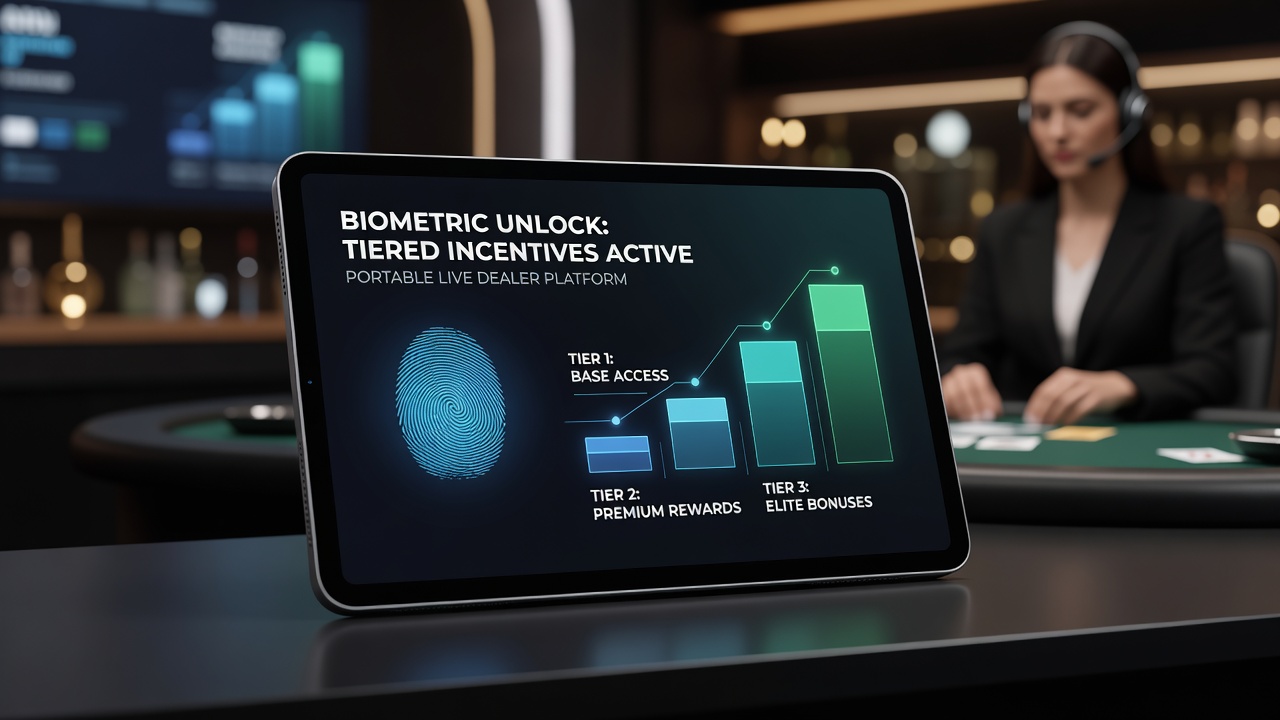
Biometric verification systems have become central to how portable live dealer platforms manage access to layered reward programs, with fingerprint scanning and facial recognition serving as entry points that confirm user identity before releasing tiered incentives such as bonus credits, cashback percentages, and exclusive table access. These systems operate by matching live biometric data against stored templates, allowing platforms to grant immediate progression through reward levels once verification succeeds, and data from October 2026 indicates increased adoption rates across multiple jurisdictions as operators seek to streamline compliance while expanding mobile offerings.
Core Mechanisms Behind Biometric Integration
Portable devices equipped with advanced sensors capture biometric markers during initial account setup, after which each login or reward claim triggers a matching process that occurs in milliseconds, and this seamless flow reduces friction for users who qualify for higher incentive tiers based on play volume or deposit frequency. Researchers at several academic institutions have documented how such protocols lower the incidence of unauthorized access attempts while simultaneously enabling platforms to automate the distribution of rewards that scale with verified activity levels, and the result appears in faster progression for qualifying accounts.
Tiered Incentive Models Supported by Verification Standards
Entry-level incentives often unlock through basic biometric confirmation, whereas mid-tier and premium rewards require repeated successful scans combined with behavioral data thresholds, creating a structure where consistent verification directly correlates with access to larger multiplier bonuses and private dealer sessions. Observers note that platforms using these methods report higher retention among users who reach advanced tiers, since the verification step itself acts as both security gate and progress marker, and statistics released in October 2026 from regional gaming authorities show measurable upticks in mobile engagement following widespread rollout of these features.
Live Dealer Platform Adaptations
Live dealer environments on mobile devices integrate biometric checks at key moments such as table entry or bonus round activation, ensuring that only authenticated users receive the layered incentives attached to specific games or sessions, while the continuous nature of live streams demands quick verification to avoid disrupting gameplay flow. One case study from an operator in North America revealed that implementing facial recognition reduced verification time by more than half compared with traditional password methods, allowing players to move between standard and VIP tables without interruption, and similar patterns have emerged in European and Asian markets where regulatory frameworks now reference biometric standards as part of broader compliance requirements.

Regulatory and Industry Data Points
According to reports from the American Gaming Association, mobile live dealer segments have seen sustained growth tied to enhanced authentication technologies, with biometric methods cited as contributors to both player trust and operational efficiency. In Canada, data compiled by the Alcohol and Gaming Commission of Ontario highlights how verified accounts demonstrate different reward redemption patterns compared with non-biometric sessions, suggesting that tiered structures function more effectively when identity confirmation occurs through physiological markers rather than static credentials alone.
What's significant is the way October 2026 figures reflect continued investment in these systems across cross-border platforms, where operators must navigate varying data protection rules while maintaining uniform reward delivery, and this balance often relies on encryption layers that protect biometric templates during transmission between device and server.
Technical and Security Considerations
Encryption protocols wrap biometric data both at rest and in transit, preventing template extraction even if device storage is compromised, and industry standards developed by international gaming technology groups emphasize regular template updates to account for natural changes in facial features or fingerprints over time. Those who've examined platform architectures note that fallback options such as PIN entry remain available, yet biometric paths consistently deliver quicker access to higher incentive tiers because they satisfy both security and user-experience criteria simultaneously.
Conclusion
Biometric verification continues to shape how portable live dealer platforms allocate progressive rewards by serving as the reliable gatekeeper that confirms eligibility before incentives activate, and ongoing data collection through October 2026 and beyond will likely refine these systems further as operators respond to regulatory updates and user adoption trends. The intersection of security protocols with reward mechanics creates measurable outcomes in engagement metrics across regions, demonstrating that verified identity remains foundational to the distribution of tiered benefits in mobile environments.